---
title: "Estate Planning Consultant Guide: Your Essential 2026 Handbook"
description: Estate planning consultant guide exploring digital tools, regulations, and best practices to future proof your consultancy and serve clients with confidence
image: https://www.ironcladfamily.com/hubfs/featured-estate-planning-consultant-guide-your-essential-20-129f97.jpg
---
[Skip to content](https://www.ironcladfamily.com/blog/estate-planning-consultant#main-content)
[](https://www.ironcladfamily.com/)
- [WHY DIGITAL VAULTS](https://www.ironcladfamily.com/blog/tag/digital-family-vaults-estate-planning)
- [FINANCIAL PLANNING](https://www.ironcladfamily.com/blog/tag/financial-planning)
- [END OF LIFE PLAN](https://www.ironcladfamily.com/blog/tag/end-of-life-planning)
- [PREPAREDNESS](https://www.ironcladfamily.com/blog/tag/emergency-planning)
- [FOR ADVISORS](https://www.ironcladfamily.com/blog/tag/advisors)
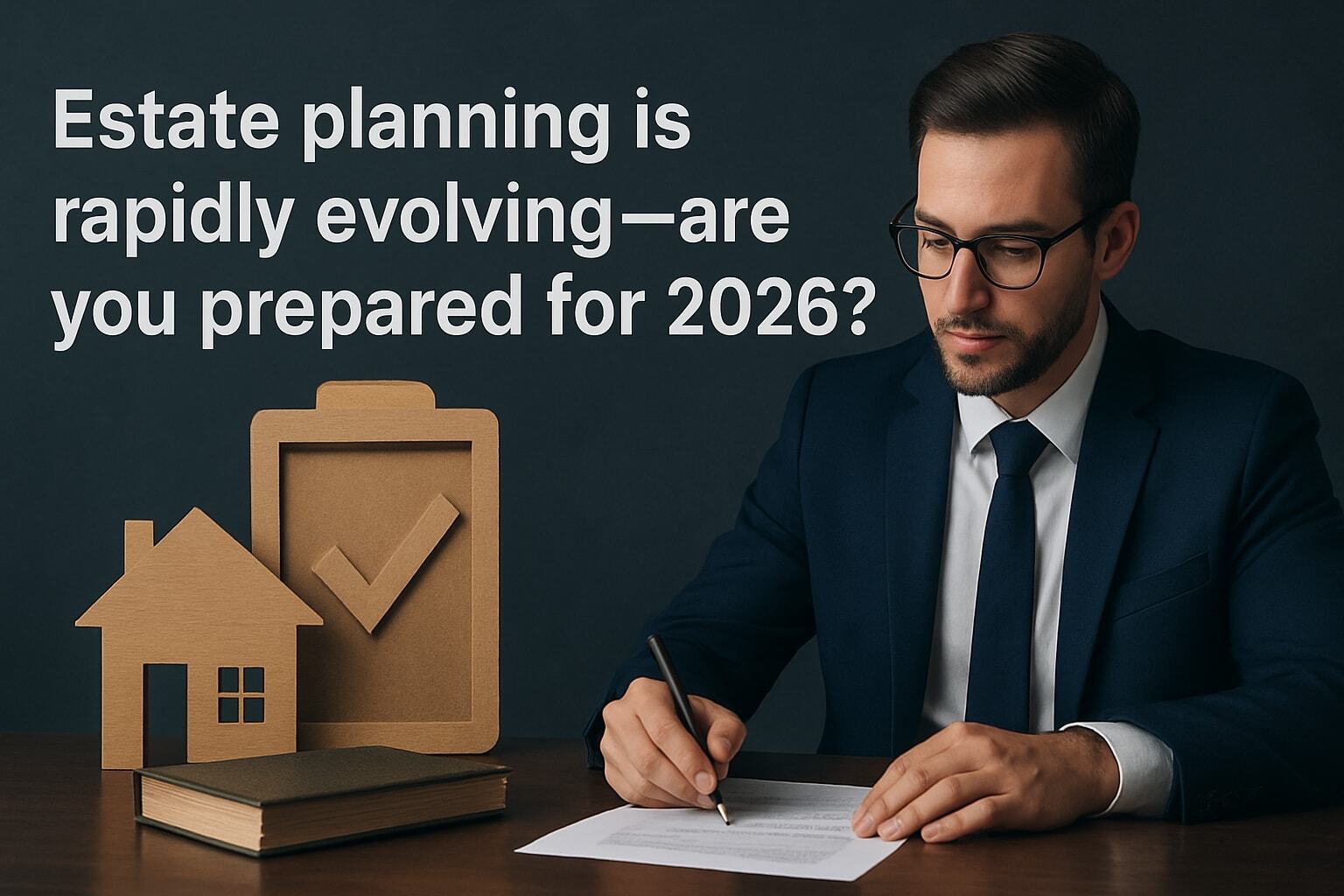
# Estate Planning Consultant Guide: Your Essential 2026 Handbook

[Sahar Lester January 5, 2026](https://www.ironcladfamily.com/blog/author/sahar-lester)
- [Advisors](https://www.ironcladfamily.com/blog/tag/advisors)
- 15 mins
Estate planning is undergoing a major transformation as 2026 approaches. The demand for a knowledgeable estate planning consultant is rising, with new laws, digital solutions, and evolving client expectations shaping the field.
This guide is designed to empower you with essential insights and actionable strategies. You will learn how to adapt your role, stay ahead of regulatory changes, master digital tools, and deliver exceptional client service.
Whether you are looking to enhance your expertise or future-proof your practice, this handbook will help you become an indispensable resource for your clients. Get ready to navigate the changing landscape of estate planning with confidence.
## The Evolving Role of the Estate Planning Consultant
The estate planning consultant role is transforming rapidly as families, assets, and technology evolve. Today’s clients expect more than legal paperwork; they seek holistic strategies that address complex needs and provide lasting peace of mind. Let’s explore how the estate planning consultant adapts to these demands.
### Understanding the Modern Consultant’s Responsibilities
The estate planning consultant is no longer limited to drafting wills and trusts. Responsibilities now include addressing family dynamics, cross-border considerations, and digital asset management.
Consultants are expected to offer multi-disciplinary expertise, blending legal, financial, and digital skills. They often advise blended families or international clients, tailoring solutions to unique circumstances.
A 2024 survey found that 62% of clients expect digital document management as part of the service. This shift underscores the need for ongoing relationships rather than one-time plans, making the estate planning consultant an essential long-term advisor.
### Key Skills for 2026 and Beyond
To remain effective, the estate planning consultant must master communication, empathy, and cultural competence. Embracing technology is crucial—secure digital vaults, e-signatures, and encrypted communication are now standard expectations.
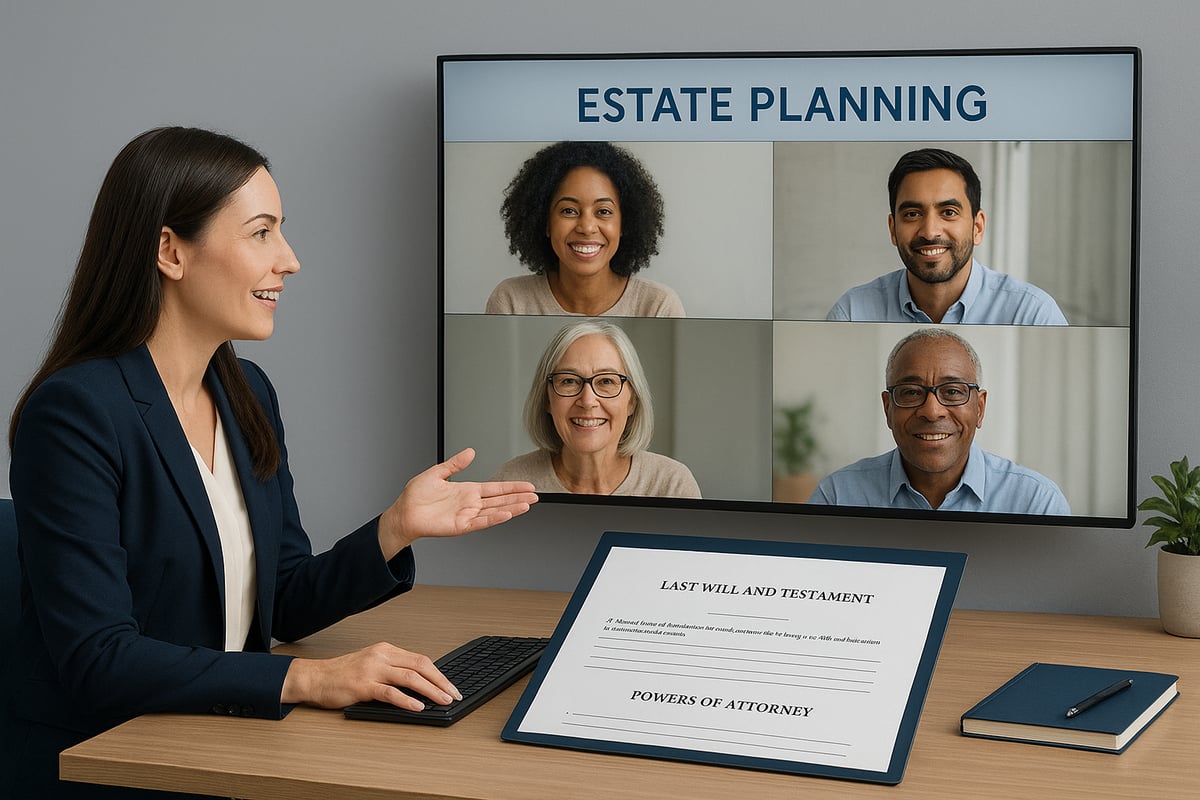
Regulatory knowledge and continuous education are vital. Collaboration with financial advisors, insurance professionals, and digital security experts sets top consultants apart. Increasingly, consultants are facilitating virtual family meetings to connect stakeholders wherever they are. For more on digital tool adoption, see [Digital tools in estate planning](https://stories.td.com/us/en/article/digital-tools-and-assets-on-the-rise-in-estate-planning-as-nearly-70-of-professionals-are-incorporating-them-into-2022-plans).
### The Consultant’s Value Proposition in a Digital Age
In the digital era, the estate planning consultant differentiates their service through security, convenience, and proactive planning. Clients value immediate, secure access to their documents and peace of mind that sensitive information is protected.
For example, consultants offering digital vault solutions enable clients to organize and retrieve estate documents efficiently. Building trust requires transparency and robust data protection; 58% of clients now cite security as their top concern. The estate planning consultant must prioritize privacy and accessible service.
### Navigating Ethical and Fiduciary Duties
Balancing client autonomy with legal and ethical obligations is a daily challenge for the estate planning consultant. Managing conflicts of interest and maintaining professional boundaries requires vigilance and integrity.
Ongoing training in ethical best practices and compliance is essential. For instance, when disputes arise over digital asset access, the consultant must act impartially and uphold fiduciary duties. Documenting decisions and communicating clearly help safeguard client interests and maintain trust.
### Professional Development and Certification Pathways
Professional growth is a cornerstone for every estate planning consultant. Leading certifications such as CEP, CFP, or a JD with an estate focus signal expertise and commitment.
Lifelong learning and participation in industry associations ensure consultants stay current with trends. Networking at conferences—where topics like AI and digital estate planning are increasingly common—expands both knowledge and opportunity. By investing in professional development, the estate planning consultant secures their place as a trusted advisor in a rapidly evolving field.
## Essential Estate Planning Steps: A Chronological Guide
Estate planning is most effective when approached with structure and foresight. For every estate planning consultant, following a clear, step-by-step process not only enhances client outcomes but also builds trust and professionalism. In this guide, we break down each crucial stage, highlighting best practices and actionable insights for modern consultants.

### Step 1: Initial Client Assessment and Goal Setting
The foundation of every successful estate plan begins with a thorough client assessment. An estate planning consultant typically conducts a comprehensive intake interview, focusing on the client’s assets, family structure, and legacy wishes.
Modern tools, such as secure digital questionnaires, streamline this process. These not only improve client engagement but also ensure sensitive information is handled safely. Consultants must guide clients to clarify their priorities, whether asset protection, guardianship, or charitable giving.
It is common for clients to start without clear objectives. In fact, 45% lack defined estate goals at the outset, making the consultant’s role crucial. Ongoing communication and empathy lay the groundwork for a tailored, effective plan.
### Step 2: Asset Inventory and Digital Documentation
Organizing all assets is the next vital step. An estate planning consultant catalogs physical property, financial accounts, and increasingly, digital assets like passwords, cryptocurrency, and online accounts.
Secure digital vaults are now standard for storing and updating these documents in real time. Consultants should encourage clients to include all digital assets, as 34% of estates experience delays due to missing digital information. Guidance on digital organization is key—resources like [Organize Family Documents Online](https://www.ironcladfamily.com/blog/how-to-organize-family-documents-online-a-step-by-step-guide) offer step-by-step support for consultants and clients alike.
Utilizing digital solutions ensures assets are accessible, secure, and ready for the next planning stages.
### Step 3: Legal Document Preparation and Review
Drafting and reviewing legal documents is core to the estate planning consultant’s responsibilities. Essential documents include wills, trusts, powers of attorney, and healthcare directives.
E-signature platforms and remote notarization tools simplify the process, making it efficient and compliant with current regulations. Consultants must adapt documents for clients with assets or family across different states or countries.
A proactive approach is necessary, as 28% of wills are outdated or incomplete when needed most. Regular reviews and updates, guided by a consultant’s expertise, help clients maintain legally sound and effective plans.
### Step 4: Coordination with Professionals and Family Stakeholders
Collaboration sits at the heart of the estate planning consultant’s work. Coordinating with attorneys, financial advisors, and insurance agents ensures that every facet of the client’s plan is aligned.
Equally important is facilitating clear communication among family members. Virtual family meetings can help clarify roles, address sensitive topics like inheritance or guardianship, and minimize misunderstandings.
A lack of communication remains a leading cause of estate disputes, with 39% arising from unclear expectations. The consultant’s ability to mediate and manage these discussions is invaluable for a harmonious process.
### Step 5: Implementation, Storage, and Ongoing Updates
Once documents are finalized, the estate planning consultant oversees their execution and secure storage. Options include physical safes, digital vaults, or hybrid solutions, depending on client needs.
Periodic reviews are essential, especially after major life changes such as marriage, divorce, or the birth of a child. Automated reminders can prompt clients to revisit their plans, ensuring documents remain current.
Notably, 51% of estate plans require updates within five years. A consultant’s proactive management helps clients stay prepared and protected as circumstances evolve.
### Step 6: Emergency and Contingency Planning
Preparedness for the unexpected is a hallmark of a diligent estate planning consultant. This step involves setting up emergency access protocols, so key documents can be reached quickly in times of incapacity, illness, or death.
Clients benefit from education on contingency triggers and digital access methods. Automated document release systems can be deployed, allowing for seamless transitions when emergencies arise.
Despite careful planning, 22% of families still face delays due to unclear emergency procedures. By addressing these challenges head-on, consultants provide peace of mind and ensure clients are ready for any situation.
## Regulatory Landscape and Compliance in 2026
Estate planning consultants are entering a new era of regulatory complexity and digital transformation. Understanding these shifts is essential for every estate planning consultant aiming to deliver secure, compliant, and future-ready services. In 2026, staying ahead means mastering legal updates, rigorous compliance standards, risk management, multi-jurisdictional challenges, and cutting-edge technology.

### Key Legal Updates Affecting Estate Planning Consultants
In 2026, the regulatory landscape for the estate planning consultant is more dynamic than ever. Federal and state laws now address digital assets and remote notarization, requiring consultants to adapt quickly. Tax regulations impacting inheritance and trusts have also evolved, especially for clients with international ties.
A notable example is the update to the Uniform Fiduciary Access to Digital Assets Act (UFADAA), which expands fiduciary authority over digital accounts. Consultants need to keep pace with these changes to ensure client plans remain valid. For a deeper dive into securing digital assets, review [Protecting Digital Assets in Estates](https://www.ironcladfamily.com/blog/protecting-digital-assets), which highlights practical strategies.
International estate planning is also in the spotlight, with cross-border succession and tax laws affecting global clients. Consultants must monitor competitor legal trend analyses and regulatory bulletins to remain compliant.
### Compliance Best Practices and Documentation Standards
Maintaining compliance is a cornerstone for every estate planning consultant. Up-to-date checklists guide consultants through evolving standards, while secure recordkeeping and detailed audit trails help meet regulatory demands.
Adhering to privacy laws like GDPR and CCPA is now required. Many consultants use encrypted cloud storage to safeguard sensitive documents and maintain compliance. Top firms have adopted digital compliance protocols, with an industry benchmark showing 87% implementation.
Best practices also include regular reviews of documentation standards and leveraging digital tools for secure sharing. Staying current with privacy regulations ensures clients’ data remains protected.
### Risk Management and Liability Mitigation
Risk management is an essential responsibility for the estate planning consultant. The risks of fraud, identity theft, and cyber threats are rising as digital solutions become more common. Professional liability insurance is now a standard requirement.
Consultants conduct regular staff training on compliance, cybersecurity, and ethical practices. Annual cybersecurity drills are common, helping teams prepare for potential threats. Recent data shows that 17% of firms report attempted data breaches each year.
To mitigate liability, consultants document all actions and decisions, maintain clear communication with clients, and ensure that all digital tools are up to date and secure.
### Navigating Multi-Jurisdictional and International Challenges
For the estate planning consultant, global clients introduce additional complexity. Planning for individuals with assets or family abroad means understanding cross-border succession and tax laws. Consultants often collaborate with international legal partners to ensure compliance with differing regulations.
Dual-citizenship estate plans may require special provisions, such as separate wills or trusts for each jurisdiction. A growing segment—11% of high-net-worth clients—now has international estate considerations.
Clear communication and documentation are critical when navigating these multi-jurisdictional challenges. Building a global network of professional partners also strengthens the consultant’s service offering.
### Leveraging Technology for Compliance
Technology is a game-changer for the estate planning consultant. Automated compliance workflows, secure client portals for document sharing, and blockchain for authentication are now widely used. AI-powered compliance monitoring systems help identify risks and ensure regulatory standards are met.
Consultants implement digital tools that streamline approvals and maintain secure audit trails. Blockchain technology provides tamper-proof records and transparent transaction histories.
Staying up to date with competitor analysis of leading tech adoption in 2025 helps consultants select the right tools. Embracing these solutions positions the estate planning consultant for long-term success in a regulated, digital-first environment.
## Integrating Digital Solutions into Estate Planning
As the landscape evolves, digital transformation is reshaping how every estate planning consultant operates. Integrating digital solutions is now essential for consultants aiming to deliver efficient, secure, and future-ready services. Let us explore the key technologies and strategies that will keep your practice ahead.

### The Rise of Digital Vaults and Secure Document Management
For the modern estate planning consultant, digital vaults have become indispensable. They offer centralized access, robust security, and automated document delivery, ensuring critical estate documents are always available when needed.
Clients increasingly expect privacy, reliability, and user-friendly solutions. Digital vaults address these concerns by providing encrypted storage and instant access for authorized individuals. Features like permission controls and audit trails further boost client confidence.
To help consultants evaluate their options, this [Best Features in a Secure Digital Vault](https://www.ironcladfamily.com/blog/best-features-to-look-for-in-a-secure-digital-vault) guide outlines essential criteria for document management. By leveraging these digital solutions, estate planning consultants can deliver peace of mind and a seamless experience.
### Evaluating and Implementing Digital Estate Planning Tools
Selecting the right tools is a crucial step for any estate planning consultant. Encryption strength, user controls, and integration with legal software are top priorities when choosing a platform.
Consultants should demo several options, considering both their workflow and client preferences. Step-by-step digital onboarding is key to client adoption. Many platforms now offer guided enrollment, ensuring even less tech-savvy clients can participate confidently.
By implementing robust digital tools, the estate planning consultant streamlines information gathering, document execution, and secure sharing. This approach not only increases efficiency, but also meets growing client expectations for digital-first services.
### IronClad Family: Secure Digital Vaults for Estate Planning
IronClad Family delivers patented digital vaults designed for the estate planning consultant and their clients. These vaults use zero-knowledge encryption, ensuring only authorized parties can access sensitive documents.
Key features include automated document release, customizable access rules, and integrations with legal and financial advisors. Consultants can easily organize wills, trusts, and emergency instructions in one secure location.
With over 1,200 families and professionals relying on IronClad Family, the estate planning consultant benefits from both privacy and preparedness. This solution supports a seamless, collaborative estate management experience.
### Managing Digital Assets and Online Accounts
As digital footprints expand, the estate planning consultant must address the management of online accounts and digital assets. This includes cataloging social media, cryptocurrency, email, and other digital property.
Legal considerations are vital. Consultants should ensure that digital asset transfer and access comply with current laws. Assigning a digital executor in estate documents is now a best practice.
By incorporating digital asset management into their process, the estate planning consultant protects client legacies and minimizes delays. Nearly half of all estates now include specific digital asset instructions.
### Cybersecurity and Data Protection Best Practices
A top priority for every estate planning consultant is safeguarding client information. Implementing multi-factor authentication, strong encryption, and secure storage protocols is non-negotiable.
Regular vulnerability assessments and software updates help prevent breaches. Consultants should provide clients with cybersecurity checklists and education on digital security hygiene.
Since outdated security protocols cause nearly a third of data breaches, the estate planning consultant must stay vigilant. Proactive data protection builds trust and ensures compliance with privacy regulations.
### Future Trends: AI, Blockchain, and Automation in Estate Planning
Technology is rapidly advancing, and the estate planning consultant must be ready to adapt. AI-driven tools can draft documents, assess risk, and identify planning gaps. Blockchain offers tamper-proof records and secure authentication.
Automation is streamlining client communications, plan updates, and compliance monitoring. These innovations allow the estate planning consultant to focus on high-value advisory work.
By embracing future trends, the estate planning consultant positions their practice as forward-thinking and indispensable. Staying current with technology ensures both relevance and resilience in a changing industry.
## Mastering Client Relationships and Communication
Estate planning consultants are trusted guides for families navigating sensitive decisions. As the industry expands, building meaningful relationships is more vital than ever. Effective communication and proactive engagement ensure clients receive comprehensive, tailored estate planning solutions. Let us explore how an estate planning consultant can excel in client relationships for enduring success.
### Building Trust and Long-Term Engagement
Trust is the cornerstone of the estate planning consultant’s relationship with clients. Establishing credibility requires transparency, clear communication, and a willingness to address questions promptly. Clients value ongoing support, not just a one-time service, and appreciate consultants who check in regularly to review plans.
Personalization is key. An estate planning consultant should tailor advice to each family’s values and cultural background. For example, annual family meetings to revisit estate documents foster a sense of partnership and ensure everyone remains informed. As the [estate planning market continues to grow](https://www.businessresearchinsights.com/market-reports/estate-planning-services-market-117703), consultants who prioritize trust and engagement are positioned for long-term success.
### Navigating Sensitive Conversations and Family Dynamics
Open and empathetic dialogue is essential when managing complex family dynamics. An estate planning consultant often facilitates discussions around inheritance, guardianship, or potential conflicts among beneficiaries. Approaching these topics with sensitivity helps clients feel understood and respected.
Techniques such as active listening and mediation can defuse tension, especially in blended families or situations involving multiple generations. Clarifying roles and expectations early prevents misunderstandings later. By addressing concerns directly, the estate planning consultant builds a foundation of trust that supports effective decision-making.
### Educating Clients on Estate Planning Essentials
Education empowers clients to make informed choices about their futures. An estate planning consultant simplifies legal and financial jargon, offering clear explanations and practical examples. Providing resources such as guides, webinars, or FAQs helps clients understand their options and responsibilities.
Workshops or group sessions can be valuable, especially for clients who are new to estate planning. By demystifying complex topics, the estate planning consultant ensures clients feel confident in their decisions. Many clients actively seek educational materials before committing to a plan, making this an essential part of the consultant’s role.
### Leveraging Technology for Client Experience
Technology is transforming the way estate planning consultants interact with clients. Digital client portals, virtual meetings, and e-signature platforms streamline the onboarding process and make services more accessible. These tools cater to clients’ desire for convenience and flexibility.
Modern clients, particularly younger generations, expect digital-first communication and secure online document management. According to [digital estate planning trends](https://www.forbes.com/councils/forbesfinancecouncil/2025/10/21/the-next-generation-will-demand-digital-estate-planning-from-day-one/), Millennials and Gen Z now prioritize digital solutions from their first meeting. By embracing these innovations, the estate planning consultant enhances satisfaction and builds loyalty.
### Measuring and Improving Client Satisfaction
Continuous improvement is vital for the estate planning consultant’s success. Gathering feedback through surveys or online reviews provides insight into client needs and expectations. Key performance indicators, such as response time and plan completion rates, help consultants track progress.
Implementing changes based on client input demonstrates a commitment to excellence. For example, sharing quarterly satisfaction reports can highlight areas for growth and celebrate successes. High client retention rates reflect the value of a proactive, client-centered approach, ensuring the estate planning consultant remains indispensable.
## Future-Proofing Your Estate Planning Practice
Staying ahead in the evolving world of estate planning requires both adaptability and a forward-thinking mindset. As an estate planning consultant, you must anticipate changes, embrace innovation, and refine your approach to meet future client expectations.
### Adapting to Legal and Market Changes
The legal landscape for estate planning consultants is shifting rapidly. Tax reforms, digital asset regulations, and cross-border considerations demand constant vigilance. Keeping up-to-date with new laws helps you protect clients and maintain compliance.
Flexible service models are now essential. Subscription-based planning and digital-first solutions attract a wider audience. The projected $105 trillion wealth transfer in the U.S. over the next 25 years, as highlighted by [estate planning statistics 2025](https://www.wfs.org/estate-planning-statistics/), underscores the scale of opportunity and the need for adaptability.
By staying agile, you can ensure your estate planning consultant practice remains relevant and client-focused.
### Investing in Continuous Learning and Professional Growth
A successful estate planning consultant views education as a lifelong journey. Regularly attending workshops, webinars, and certification programs is crucial for staying current.
Join professional networks to exchange insights and best practices. Pursue advanced credentials in digital security or international estate planning to strengthen your expertise. Mastermind groups can provide accountability and foster innovation.
Continuous learning not only sharpens your skills but also signals your commitment to excellence. This positions you as a trusted estate planning consultant for clients seeking up-to-date guidance.
### Expanding Service Offerings and Niche Specializations
Diversifying your services helps you stand out in a competitive market. Consider adding elder law, business succession planning, or special needs trusts to your repertoire. Target underserved communities, such as LGBTQ+ families or recent immigrants, to broaden your client base.
Offering digital asset management packages addresses modern concerns around online accounts and cryptocurrencies. For enhanced value, incorporate robust contingency planning by referencing resources like the [Emergency Planning Process Overview](https://www.ironcladfamily.com/blog/emergency-planning-process).
By evolving your offerings, you reinforce your value as an estate planning consultant who anticipates and solves emerging client needs.
### Building Strategic Partnerships and Referral Networks
Collaboration is a cornerstone of a future-ready estate planning consultant practice. Form alliances with attorneys, accountants, and technology providers to deliver holistic solutions. Establish reciprocal referral agreements to expand your reach.
Host joint seminars with financial advisors to educate clients and foster new relationships. Strategic partnerships not only generate referrals but also enhance your service depth.
By nurturing a robust network, you position yourself as a connected and resourceful estate planning consultant.
### Marketing and Growing Your Estate Planning Consultancy
Strong marketing is essential for growth. Build an authoritative online presence through SEO, content marketing, and transparent client testimonials. Use educational webinars and blogs to showcase your expertise and attract qualified leads.
Leverage data, such as the rising demand highlighted in [estate planning statistics 2025](https://www.wfs.org/estate-planning-statistics/), to inform your campaigns and demonstrate market awareness. Encourage satisfied clients to leave reviews and share success stories.
A strategic approach to marketing ensures your estate planning consultant brand remains visible, trusted, and competitive.
As you look to elevate your estate planning consultancy for 2026, integrating secure digital solutions has never been more crucial. We’ve explored the growing demand for streamlined, secure document management and proactive protection—exactly what today’s clients expect. If you’re ready to strengthen your client relationships and stand out in a rapidly digitalizing industry, why not see firsthand how secure digital vaults can transform your practice? You can experience IronClad Family’s platform in action and discover how it supports both you and your clients.
[Schedule Demo for Advisors](https://www.ironcladfamily.com/advisor)

### Sahar Lester
Sahar Lester is the Founder and CEO of IronClad Family, a company dedicated to helping families and businesses safeguard their most valuable assets through secure digital vaults. With a master’s degree in Security Technologies from the University of Minnesota and experience spanning cybersecurity, leadership, and international commerce, Sahar bridges the gap between innovation and protection. She also serves as an adjunct professor at Metropolitan State University, mentoring the next generation of cybersecurity professionals.
[mailto:sahar.lester@ironcladfamily.com](mailto:sahar.lester@ironcladfamily.com)
## Latest posts
- [ALL POSTS](https://www.ironcladfamily.com/blog/all)
[](https://www.ironcladfamily.com/blog/diy-will-guide-protect-your-family-in-2026)
Sep 19, 2026, 6:41:12 AM
### [DIY Will Guide: Protect Your Family in 2026](https://www.ironcladfamily.com/blog/diy-will-guide-protect-your-family-in-2026)
[](https://www.ironcladfamily.com/blog/everplans-vs-digital-vault-with-zero-knowledge-encryption-choosing-your-legacy-strategy-2026)
Sep 19, 2026, 6:23:11 AM
### [Everplans vs Digital Vault with Zero Knowledge Encryption: Choosing Your Legacy Strategy (2026)](https://www.ironcladfamily.com/blog/everplans-vs-digital-vault-with-zero-knowledge-encryption-choosing-your-legacy-strategy-2026)
---
[](https://ironcladfamily.com)
**66 W. Flagler Street, Suite 900**
**Miami, FL 33130**
**United States**
[Tel: 1-786-360-1352](tel:7863601352)
[admin@ironcladfamily.com](mailto:admin@ironcladfamily.com)
#### Products
#### Pages
- [Physical Protection](https://shop.ironcladfamily.com)
- [Digital Protection](https://www.ironcladfamily.com/digital-vault)
- [Advisors](https://www.ironcladfamily.com/advisor)
- [Pricing](https://www.ironcladfamily.com/plans-and-pricing)
- [Security](https://www.ironcladfamily.com/security)
- [Contact](https://www.ironcladfamily.com/contact-us)
#### Learn
- [FAQ](https://www.ironcladfamily.com/faq)
- [Learning Center](https://www.ironcladfamily.com/learning-center)
- [Support](https://support.ironcladfamily.com)
### Get family protection tips and holistic advisor insights!
- [Terms and Services](https://www.ironcladfamily.com/terms-and-conditions)
- [Privacy Policy](https://www.ironcladfamily.com/privacy-policy)
© 2026 IronClad Family. All Rights Reserved. [Follow us on Facebook](https://www.facebook.com/ironcladfamily) [Follow us on LinkedIn](https://www.linkedin.com/company/ironcladfamily) [Follow us on Twitter](https://twitter.com/IronClad_Family) [Follow us on Facebook](https://www.instagram.com/ironcladfamily)

```json
{
"@context" : "https://schema.org",
"@type" : "BlogPosting",
"author" : {
"@type" : "Person",
"name" : "Sahar Lester",
"url" : "https://www.ironcladfamily.com/blog/author/sahar-lester"
},
"dateModified" : "2026-01-05T18:25:51.832Z",
"datePublished" : "2026-01-05T18:21:15.000Z",
"headline" : "Estate Planning Consultant Guide: Your Essential 2026 Handbook",
"image" : [ "https://www.ironcladfamily.com/hubfs/featured-estate-planning-consultant-guide-your-essential-20-129f97.jpg" ],
"mainEntityOfPage" : {
"@id" : "https://www.ironcladfamily.com/blog/estate-planning-consultant",
"@type" : "WebPage"
},
"publisher" : {
"@type" : "Organization",
"logo" : {
"@type" : "ImageObject",
"url" : "https://www.ironcladfamily.com/hubfs/Logo%20PNG-1.png"
},
"name" : "IronClad Family"
}
}
```
```json
{
"@context" : "https://schema.org",
"@type" : "Organization",
"address" : {
"@type" : "PostalAddress",
"addressCountry" : "US",
"addressLocality" : "Miami",
"addressRegion" : "FL",
"postalCode" : "33130",
"streetAddress" : "66 W. Flagler St #900"
},
"areaServed" : {
"@type" : "Country",
"name" : "United States"
},
"description" : "Veteran-owned family protection and digital legacy company offering zero-knowledge encrypted digital vaults.",
"email" : "admin@ironcladfamily.com",
"foundingLocation" : {
"@type" : "Place",
"address" : {
"@type" : "PostalAddress",
"addressCountry" : "US",
"addressLocality" : "Miami",
"addressRegion" : "FL"
}
},
"logo" : "https://8926831.fs1.hubspotusercontent-na1.net/hubfs/8926831/Optimization-2022/Logo%20PNG-1.webp",
"name" : "IronClad Family LLC",
"sameAs" : [ "https://www.facebook.com/ironcladfamily", "https://www.linkedin.com/company/ironcladfamily" ],
"telephone" : "+17863601352",
"url" : "https://www.ironcladfamily.com"
}
```
```json
{
"@context" : "https://schema.org",
"@type" : "NewsArticle",
"alternativeHeadline" : "Estate planning consultant guide exploring digital tools, regulations, and best practices to future proof your consultancy and serve clients with confidence",
"author" : {
"@type" : "Person",
"name" : "Michael Lester",
"url" : "https://www.linkedin.com/in/michaellester"
},
"dateModified" : "2026-01-05T18:25:51+0000",
"datePublished" : "2026-01-05T18:21:15+0000",
"description" : "Estate planning consultant guide exploring digital tools, regulations, and best practices to future proof your consultancy and serve clients with confidence",
"headline" : "<span id="hs_cos_wrapper_name" class="hs_cos_wrapper hs_cos_wrapper_meta_field hs_cos_wrapper_type_text" style="" data-hs-cos-general-type="meta_field" data-hs-cos-type="text" >Estate Planning Consultant Guide: Your Essential 2026 Handbook</span>",
"image" : "https://8926831.fs1.hubspotusercontent-na1.net/hubfs/8926831/featured-estate-planning-consultant-guide-your-essential-20-129f97.jpg",
"mainEntityOfPage" : {
"@id" : "https://www.ironcladfamily.com/blog/estate-planning-consultant",
"@type" : "WebPage"
},
"publisher" : {
"@type" : "Organization",
"logo" : {
"@type" : "ImageObject",
"height" : 60,
"url" : "https://blog.ironcladfamily.com/path-to-logo.png",
"width" : 600
},
"name" : "IronClad Family"
}
}
```