


Navigating financial affairs is more complex than ever, making a skilled financial estate planner essential in 2026. Legal updates, digital assets, and changing family structures all impact your estate planning needs. With expert guidance, you gain peace of mind and protect your legacy. This guide walks you step by step through working with a financial estate planner, covering their evolving role, practical steps, digital security, legal changes, and future trends.
The Evolving Role of the Financial Estate Planner in 2026
Navigating the landscape of estate planning in 2026 requires a fresh perspective. The financial estate planner has moved beyond traditional boundaries, adapting to legal, technological, and family complexities. Let us explore how this profession has evolved to meet today’s demands.

Defining the Modern Financial Estate Planner
The role of a financial estate planner in 2026 is far more comprehensive than in the past. Previously, estate planners focused primarily on legal documents, such as wills and trusts. Today’s professionals take a holistic approach, integrating financial, legal, tax, and digital strategies to create cohesive plans for clients.
This evolution reflects the increasing complexity of modern estates, which may include digital assets, business interests, and international considerations. Many financial estate planners now work within multi-disciplinary teams, collaborating with attorneys, CPAs, and digital security specialists to address every aspect of a client’s situation.
A real-world example is a financial estate planner guiding a blended family with business holdings. By coordinating inputs from legal, tax, and cybersecurity experts, the planner develops solutions that protect both family wealth and business continuity. For a deeper look at this shift, see holistic financial planning for families.
Key Skills and Credentials Required
As the responsibilities of a financial estate planner expand, so do the qualifications necessary for excellence. Credentials such as Certified Financial Planner (CFP), Chartered Financial Consultant (ChFC), Juris Doctor (JD), and Certified Public Accountant (CPA) are increasingly common. These designations signal expertise in financial, legal, and tax matters.
Ongoing education is vital, given the pace of regulatory and technological change. In fact, recent industry surveys show that over 40 percent of financial estate planners have completed some form of cybersecurity training. This focus on digital security is critical, as more families hold significant digital assets requiring specialized management.
Expertise in digital asset management sets leading professionals apart. Clients expect their financial estate planner to understand not only traditional investments and property, but also cryptocurrency, online accounts, and intellectual property. This breadth of knowledge is essential for effective estate protection.
How Estate Planners Add Value in 2026
A financial estate planner adds value by guiding clients through new tax laws, inheritance rules, and regulatory updates. In 2026, these changes can significantly impact wealth transfer strategies. Planners are also at the forefront of proactive risk management, addressing issues like digital fraud and elder financial abuse before they become problems.
Facilitating family conversations is another key role. The financial estate planner often leads meetings to clarify legacy wishes and resolve sensitive topics. For example, a planner recently helped a family navigate a dispute over digital inheritance, balancing privacy concerns with legal requirements to ensure a fair resolution for all parties.
This hands-on approach fosters trust and minimizes conflict, while ensuring that every asset—physical, financial, or digital—is properly protected and transferred according to the client’s wishes.
Common Misconceptions
Despite the progress in the field, several misconceptions about working with a financial estate planner persist. Many believe estate planning is only necessary for the wealthy, when in reality, anyone with assets or dependents can benefit. Another myth is that a will alone is sufficient. In truth, a comprehensive plan often requires trusts, powers of attorney, and digital asset protections.
A third misconception is that digital assets are automatically covered in traditional plans. However, without explicit instructions, these assets may be inaccessible or lost. According to the Trust & Will's 2025 Estate Planning Report, nearly 60 percent of Americans have incomplete or outdated estate plans, highlighting the need for expert guidance from a financial estate planner.
Dispelling these myths is essential for families seeking security and peace of mind in 2026.
Step-by-Step Guide: How to Work with a Financial Estate Planner in 2026
Embarking on estate planning in 2026 involves more than drafting a will. The process requires thoughtful coordination, up-to-date knowledge, and expert guidance. Working with a financial estate planner ensures your legacy is secure and tailored for the complexities of modern life.

Step 1: Assessing Your Needs and Setting Goals
The first step with a financial estate planner is a comprehensive assessment of your entire estate. This includes cataloging physical property, financial accounts, and digital assets like online subscriptions or cryptocurrency wallets.
Create a clear inventory using a worksheet. List the following:
-
Real estate and personal property
-
Bank and investment accounts
-
Insurance policies
-
Digital assets (social media, cloud storage, intellectual property)
Defining your legacy is essential. Discuss with your financial estate planner your wishes for family, philanthropy, and business succession. Consider unique circumstances such as special needs dependents or international holdings.
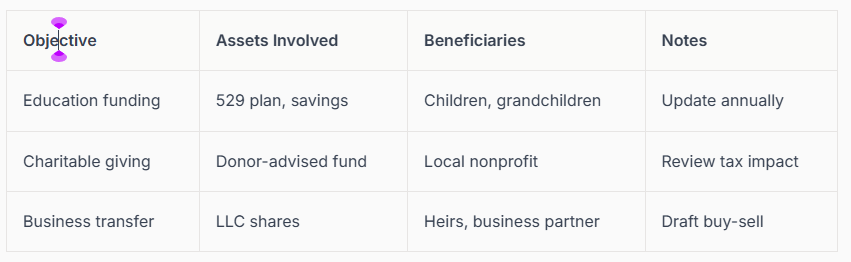
A sample goal-setting worksheet can help organize your priorities. For example:
|
Objective |
Assets Involved |
Beneficiaries |
Notes |
|---|---|---|---|
|
Education funding |
529 plan, savings |
Children, grandchildren |
Update annually |
|
Charitable giving |
Donor-advised fund |
Local nonprofit |
Review tax impact |
|
Business transfer |
LLC shares |
Heirs, business partner |
Draft buy-sell |
By establishing clear goals at the outset, you and your financial estate planner set the foundation for a customized estate plan that reflects your values and needs.
Step 2: Selecting the Right Planner
Choosing a financial estate planner requires careful research. Vetting credentials is crucial. Look for professionals with designations like CFP, ChFC, JD, or CPA, as these indicate specialized training and ethical standards.
During interviews, ask questions such as:
- What experience do you have with digital assets?
- How do you stay current with changing laws?
- What is your approach to family communication?
Transparency in fees and services is key. Understand whether your financial estate planner operates on a fee-only, commission, or hybrid compensation model. Recent trends show a rise in fee-only models, offering clear cost structures and minimizing conflicts of interest.
Selecting the right advisor ensures your estate plan is built on trust, expertise, and open communication.
Step 3: Gathering and Organizing Documentation
A financial estate planner will guide you through collecting all necessary documents. Use a checklist to ensure nothing is missed:
- Wills and trusts
- Insurance policies
- Property titles and deeds
- Business agreements
- Digital account credentials
Secure storage is essential. Consider both physical safes and digital solutions. Digital vaults offer encrypted, organized storage for sensitive estate documents and digital assets. For practical guidance, review this guide on organizing estate planning documents online.
Best practices include:
- Regularly updating digital inventories
- Assigning access rights for trusted individuals
- Backing up digital files securely
Proper document management streamlines the estate settlement process and gives peace of mind to your loved ones.
Step 4: Designing Your Estate Plan
With your financial estate planner, decide on the right vehicles for your goals. Options include wills, revocable or irrevocable trusts, and transfer-on-death accounts.
Integrate advanced strategies such as:
- Tax planning to minimize estate or inheritance taxes
- Asset protection through trusts or LLCs
- Charitable giving with donor-advised funds or charitable trusts
Coordinate with attorneys, accountants, and other advisors to ensure every aspect aligns. Your financial estate planner will often serve as the central point for these collaborations.
A sample estate plan flowchart helps visualize the process:
This approach ensures your plan remains adaptable as laws and family circumstances evolve. Your financial estate planner's expertise is invaluable during design and ongoing reviews.
Step 5: Implementation and Communication
Once your estate plan is designed, your financial estate planner will help formalize all documents and handle legal filings. Open communication with family and beneficiaries is critical to prevent misunderstandings and disputes.
Schedule regular reviews, especially after major life events like marriage, divorce, or the birth of a child. According to recent studies, a significant percentage of estate plans are only updated after such milestones, leaving gaps in coverage.
A proactive financial estate planner will set reminders for annual or biennial reviews, ensuring your plan stays current and effective.
By following these steps, you leverage the skills of a financial estate planner to secure your legacy, protect your loved ones, and adapt to the evolving landscape of estate planning in 2026.
Digital Assets and Cybersecurity in Estate Planning
The landscape of estate planning is rapidly changing as digital assets become a vital part of every modern portfolio. Today, a financial estate planner must be adept at handling not just physical and financial assets but also the growing array of digital holdings. Addressing cybersecurity and digital asset management is now a core responsibility, ensuring that clients’ legacies are protected in an increasingly connected world.
Why Digital Assets Matter
Digital assets now make up a significant share of personal wealth. These include cryptocurrencies, online investment accounts, intellectual property, cloud storage, social media profiles, and even digital collectibles. The financial estate planner must understand how these assets fit into a comprehensive estate plan.
Recent reports estimate that U.S. households hold billions of dollars in digital assets, with values rising each year. As more people invest in cryptocurrencies and store important documents online, the need for specialized guidance grows. A financial estate planner ensures these assets are inventoried, valued, and passed on according to the client's wishes.
Ignoring digital assets can lead to significant losses for beneficiaries. Without proper planning, families may lose access to valuable information, funds, or sentimental media. This makes digital asset management critical for a truly complete estate plan.
Legal and Practical Challenges
Managing digital assets presents unique legal and practical hurdles. Laws like the Revised Uniform Fiduciary Access to Digital Assets Act (RUFADAA) set rules for how executors may access online accounts. However, varying state and federal regulations create complexity that only a skilled financial estate planner can navigate.
Access issues are common. Passwords, two-factor authentication, and encryption often block heirs from important accounts. Privacy policies may further restrict access, even with a will in place. Failing to address these details can leave families locked out of crucial resources.
Neglecting digital assets exposes estates to risks like cyber theft or unauthorized access. A financial estate planner helps clients overcome these obstacles by creating clear instructions, maintaining up-to-date inventories, and ensuring legal compliance.
Best Practices for Digital Asset Management
To safeguard digital wealth, a financial estate planner recommends several best practices. Begin by inventorying all digital assets, from cryptocurrency wallets to social media accounts and intellectual property. Categorize each asset by type and importance.
Next, securely store access credentials using encrypted tools or password managers. Assign a digital executor and provide clear, legally binding instructions. Regularly update inventories and instructions as assets or platforms change.
For a comprehensive approach, review Fidelity's guide to digital asset estate planning for additional best practices and strategies. A financial estate planner also coordinates with legal and cybersecurity experts to ensure assets are protected against evolving threats.
The Role of Secure Digital Vaults in Estate Planning
Secure digital vaults have become an essential tool for the modern financial estate planner. These platforms, such as those offered by IronClad Family, use zero-knowledge encryption to protect sensitive information and digital assets.
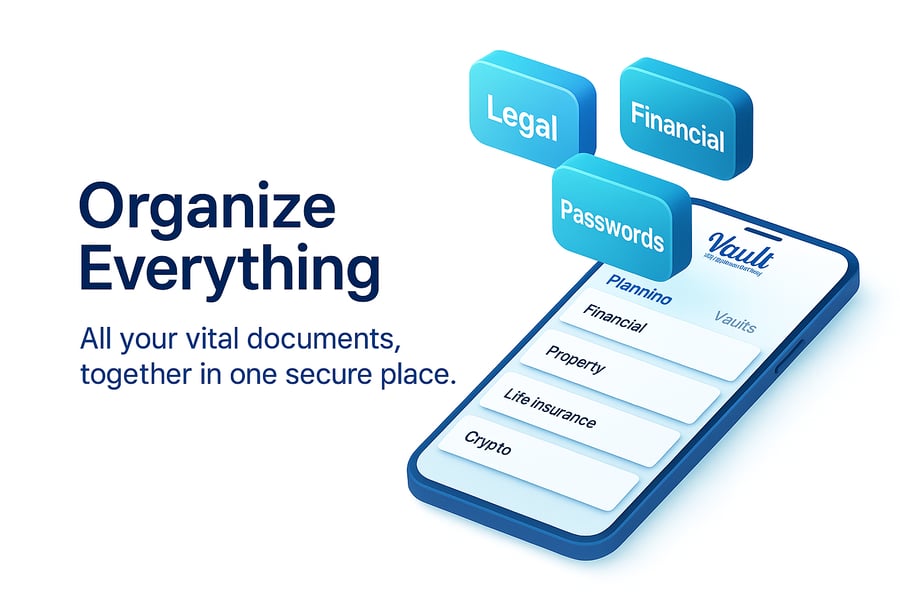
Key features include customizable access controls, automated document delivery to heirs or executors, and robust privacy safeguards. By storing wills, account credentials, and digital asset inventories in a secure vault, clients reduce the risk of lost or inaccessible information.
A financial estate planner may recommend digital vaults to families seeking peace of mind and streamlined estate settlement. For example, a family using a digital vault can ensure that all documents and instructions are delivered efficiently, minimizing delays and confusion during a difficult time.
Legal and Regulatory Updates Impacting Estate Planning in 2026
Navigating the legal landscape of estate planning in 2026 requires both diligence and adaptability. With new laws, evolving compliance standards, and cross-border challenges, working with a financial estate planner is more important than ever. Understanding these updates helps ensure your estate plan remains effective and secure.

Recent and Upcoming Legislative Changes
The legal environment for estate planning has seen significant shifts in 2025 and 2026. Federal estate and gift tax exemptions have been adjusted, impacting the thresholds for taxable transfers. Many states have also updated their own estate and inheritance tax rates, adding complexity for families with property in multiple locations.
Trust law reforms and streamlined probate procedures have aimed to reduce administrative burdens, but also require more precise beneficiary designations. Legislative actions have emphasized the importance of keeping estate plans current, as outdated documents can lead to costly disputes or unintended outcomes. According to a Pew Research Center study on estate planning, a significant percentage of Americans still lack comprehensive or updated plans, underscoring the need for professional guidance from a financial estate planner.
International Considerations
For families with global ties, estate planning now demands careful attention to international regulations. Laws such as FATCA and the Common Reporting Standard (CRS) require disclosure of offshore assets, and noncompliance can result in severe penalties. Managing property or accounts in multiple countries adds layers of tax, legal, and reporting complexity.
A financial estate planner can coordinate with local experts to address issues like dual citizenship, foreign real estate, and cross-border inheritance laws. For example, families with members residing abroad must ensure that their estate plan aligns with both U.S. and foreign requirements to prevent unintended tax consequences or delays in asset transfers.
Compliance and Documentation Standards
The rise of digital assets and remote transactions has led to new compliance and documentation standards in estate planning. Many states now recognize electronic wills and digital signatures, making it easier to formalize documents securely. However, these advancements also introduce higher expectations for digital security and fiduciary responsibility.
Financial estate planners are required to uphold enhanced cybersecurity protocols, especially when managing sensitive personal and financial information online. The adoption of electronic wills is growing steadily by state, reflecting a trend toward modernization and convenience, but also highlighting the need for ongoing education and vigilance.
The Importance of Staying Current
Staying informed about legal and regulatory changes is crucial for effective estate planning. Financial estate planners use a variety of resources, including government updates, professional associations, and continuing education programs, to keep their knowledge up to date.
Clients should schedule regular reviews with their financial estate planner to ensure their plan reflects the latest laws and their evolving personal circumstances. By remaining proactive and informed, both planners and clients can safeguard assets and provide peace of mind for future generations.
Advanced Strategies and Future Trends in Estate Planning
Navigating the future of estate planning requires a proactive approach. As personal, financial, and digital landscapes evolve, the financial estate planner plays a pivotal role in integrating advanced strategies to protect and grow legacies. Understanding these trends ensures your plan remains robust and relevant.
Integrating Technology and Automation
Technology is transforming the estate planning landscape. Today, a financial estate planner leverages AI-driven tools for analyzing complex portfolios and drafting customized documents. Automation streamlines beneficiary notifications and even asset transfers, reducing errors and accelerating settlement.
Blockchain is emerging as a trusted method for transparent trust administration. By securing records and automating conditions, blockchain minimizes disputes and speeds up execution. Digital asset management has become essential, as modern estates often include cryptocurrencies, NFTs, and online intellectual property. For a deeper look at safeguarding these digital assets, review digital asset management in estate planning.
Families benefit from digital vaults that store sensitive documents with advanced encryption. These solutions provide secure, conditional access for heirs and advisors, ensuring critical information is never lost. As new technologies emerge, the financial estate planner must stay at the forefront to deliver maximum value.
Addressing Complex Family and Business Structures
Modern families are increasingly diverse. Blended families, cohabitation, and multi-generational households introduce new planning challenges. A financial estate planner helps navigate these complexities, ensuring each member’s interests are considered and documented.
Business owners face unique hurdles with succession planning. Buy-sell agreements, trusts, and coordinated tax strategies support smooth transitions. According to recent industry research, over 60 percent of family-owned businesses are expected to transfer ownership in the next decade, highlighting the need for specialized guidance.
Open communication is crucial. Facilitating family meetings and clarifying roles can prevent conflict and promote harmony. The financial estate planner’s expertise helps align business and family objectives for lasting success.
Philanthropy and Social Impact Planning
Legacy is about more than wealth. Increasingly, families seek to align their estate plans with personal values and causes. A financial estate planner can recommend donor-advised funds, charitable trusts, and impact investing vehicles to maximize both tax efficiency and social good.
Charitable remainder trusts allow families to support favored organizations while retaining lifetime income. These strategies can reduce estate taxes and enhance philanthropic impact. By integrating charitable planning into the estate process, families ensure their legacy reflects their true intentions.
Modern planning tools make it easier to track philanthropic goals and measure outcomes. The financial estate planner coordinates with attorneys and accountants to optimize benefits for all parties.
Anticipating the Next Decade
The future of estate planning will be shaped by demographic shifts and new asset classes. As the population ages and millennials inherit unprecedented wealth, the demand for innovative solutions will grow. The financial estate planner must anticipate risks such as digital identity theft and plan for emerging assets like NFTs and metaverse property.
Adaptability is key. Regular reviews and updates ensure that estate plans remain aligned with changing laws, technology, and family dynamics. Foundational strategies, as outlined in resources like the Kiplinger article on estate planning basics, remain essential, but flexibility and foresight are more important than ever.
By embracing advanced strategies and staying informed, the financial estate planner helps clients secure their legacies in a rapidly changing world.
As we’ve explored, financial estate planning in 2026 is about more than just documents—it’s about ensuring your family’s future is secure, organized, and protected in a rapidly changing world. If you’re ready to put these expert strategies into action and safeguard your most important information, you don’t have to do it alone. IronClad Family offers the digital tools and support you need to take that next step with confidence. You can experience their secure digital vault and emergency planning features firsthand—simply Start 14-Day Free Trial to see how easy it is to bring peace of mind to your estate planning journey.

