


Imagine your car is suddenly totaled or stolen, yet the insurance payout falls short of what you still owe on your auto loan. What would you do in this situation?
This is where gap coverage becomes essential. Just as you protect your family's important documents and financial records in a secure digital vault, protecting yourself from unexpected financial shortfalls requires the same proactive mindset. Our 2026 guide will show you how to shield yourself from unexpected loss if your car's value drops below your remaining loan or lease amount.
In this guide, you'll discover what this type of coverage is, how it works, what it covers and excludes, who should consider it, and the latest trends and tips for the coming year. Being prepared means making informed decisions for your peace of mind.
What is Gap Cover Insurance?
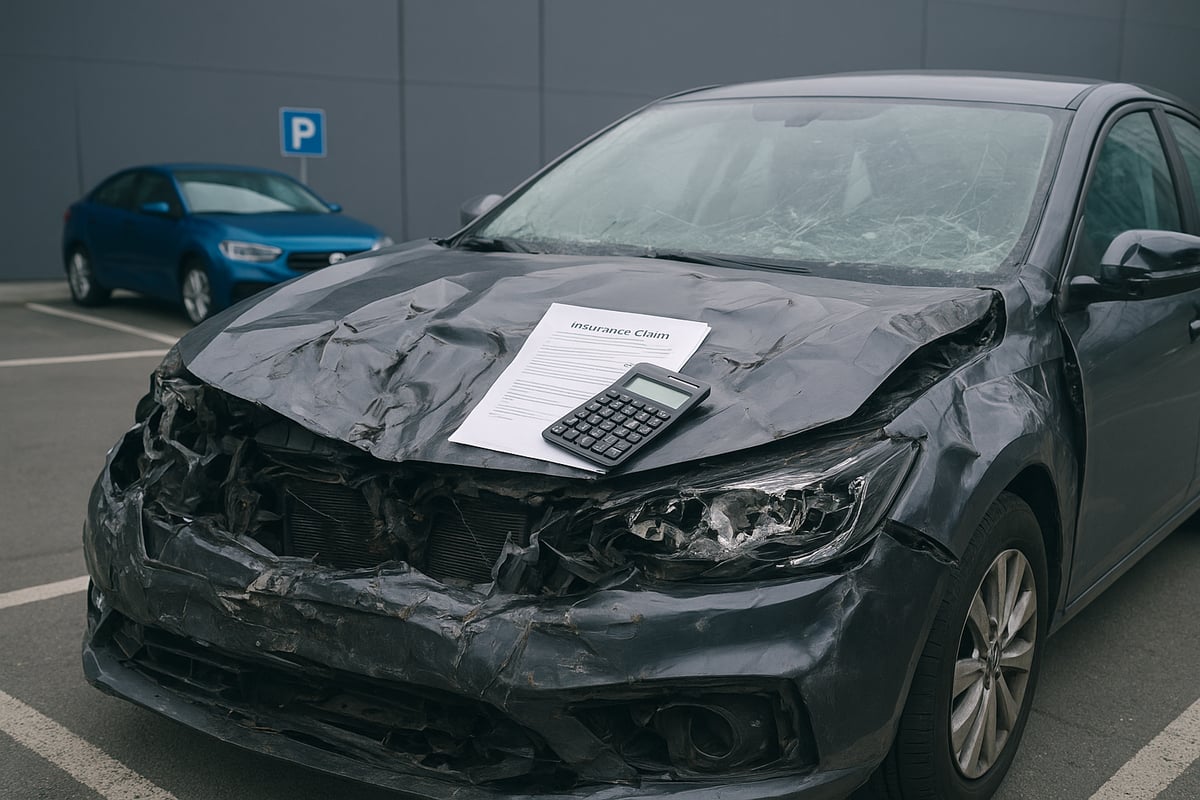
Imagine driving your new car off the lot, feeling secure with your auto policy. Suddenly, an accident or theft leaves your vehicle a total loss. You expect coverage to handle everything, but due to rapid depreciation, the payout is less than what you owe. This is where specialized gap protection becomes essential.
Definition and Purpose
Gap coverage is a specialized policy designed to bridge the financial "gap" between your car's depreciated value and the remaining balance on your loan or lease if your vehicle is declared a total loss. Unlike standard auto insurance, which only pays out the actual cash value (ACV) of your vehicle at the time of loss, this coverage ensures you're not left paying out-of-pocket for a car you can no longer use.
Depreciation is a key factor here. Industry data from providers like Allstate and GEICO show that new cars can lose up to 20% of their value in the first year alone. If your car is stolen or totaled in an accident, your standard policy may only cover the market value—which might be far less than your outstanding loan or lease.
Here's a simple example to illustrate:
| Item | Amount |
|---|---|
| Original Car Price | $30,000 |
| Loan Balance | $28,000 |
| Insurance Payout (ACV) | $22,000 |
| Financial Gap | $6,000 |
Without proper protection, you'd be responsible for the $6,000 shortfall, even though you no longer have the car. This scenario is more common than many realize, especially during the first few years of ownership.
This type of coverage isn't mandatory, but it's often recommended for anyone financing or leasing a new vehicle. Understanding best insurance industry practices can provide valuable context for why this protection is offered and how it fits into a comprehensive strategy.
The main point is clear: without this protection, you could be left paying for a vehicle you no longer own, adding unexpected financial strain during an already stressful event.
Types of Coverage Policies
Gap protection is available in several forms, each tailored to specific needs. The two primary types are standalone policies and add-ons to your existing auto coverage. Standalone options are purchased directly from insurers or specialty providers, often offering flexible terms and broader protection. Add-ons, by contrast, are integrated into your main auto policy, providing convenience but sometimes with limited features.
This coverage can apply to both loans and leases, but there are key differences. For leased vehicles, gap protection is frequently required by the lease agreement, since the risk of owing more than the car's value is higher early on. For financed vehicles, eligibility often depends on the age and value of the car.
Policy duration is another factor to consider. Most policies are only available for the first few years of ownership, when the risk of being "upside down" on your loan is highest. After this period, as you pay down your loan and the car's value stabilizes, this coverage may no longer be necessary.
How Does Gap Cover Insurance Work?
Understanding how this protection functions is crucial for anyone financing or leasing a car. This coverage acts as a safety net during the times when you need it most, ensuring you're not left with a hefty financial burden after a total loss or theft.

Step-by-Step Process
Gap coverage kicks in when your vehicle is declared a total loss or is stolen and not recovered. Here's a clear step-by-step look at how the process works:
1. Incident Occurs: Your vehicle is involved in a major accident or is stolen. The insurer determines whether the damage is severe enough to be classified as a "total loss."
2. Standard Insurance Payout: Your standard auto coverage pays out the actual cash value (ACV) of the vehicle—reflecting the car's depreciated value, not what you originally paid or still owe.
3. Identifying the Gap: If your outstanding loan or lease balance exceeds the ACV payout, a financial gap exists. For example, suppose you owe $28,000 on your auto loan, but your insurer values the vehicle at $22,000. This leaves a $6,000 shortfall.
4. Gap Protection Steps In: Your gap policy pays the difference, covering what your primary coverage did not. The payment is typically sent directly to your lender or leaseholder.
5. Claim Completion: After the payout, you're no longer responsible for the remaining loan or lease balance on a car you cannot use.
Here's a summary table:
| Scenario | Amount |
|---|---|
| Original Loan Balance | $28,000 |
| Insurance Payout (ACV) | $22,000 |
| Financial Gap | $6,000 |
| Gap Protection Covers | $6,000 |
This coverage fills a crucial financial void, helping you avoid paying for a vehicle you no longer possess. Industry research, such as Bain & Company's analysis on insurance protection gaps, highlights that protection gaps are expected to widen, making products like this increasingly important for consumers.
When and How Gap Protection Applies
This coverage is designed for specific situations. It only applies if you're the original loan or lease holder. If you've refinanced or transferred ownership, most policies won't provide coverage.
To use your gap policy, you must first file a claim with your primary auto insurer. Once the claim for the total loss or theft is approved and paid, you then submit a claim to your gap provider for the remaining balance. Some exclusions may apply, such as late or missed loan payments, or negative equity rolled over from a previous vehicle.
Most claims occur within the first two to three years of ownership, when depreciation is steepest and the risk of owing more than the car's value is highest.
Limitations and Exclusions
This coverage, while valuable, comes with its own set of limitations and exclusions. Policies generally have a maximum payout cap, which means they'll only pay up to a certain amount regardless of your remaining loan or lease balance.
Common exclusions include missed or late loan payments, late fees and penalties, costs for extended warranties or service contracts, aftermarket add-ons, and negative equity from previous loans rolled into your current loan.
Gap protection isn't intended to cover repairs, maintenance, rental car costs, or personal injuries. It's strictly focused on bridging the financial gap between your standard coverage payout and your remaining loan or lease balance.
What Does Gap Cover Insurance Include and Exclude?
When you purchase a new or financed vehicle, understanding what this protection includes and excludes is crucial for safeguarding your finances. Many drivers assume their standard auto coverage is enough, but the reality is more complex. This section breaks down exactly what gap policies will and won't do for you.
Typical Coverage Details
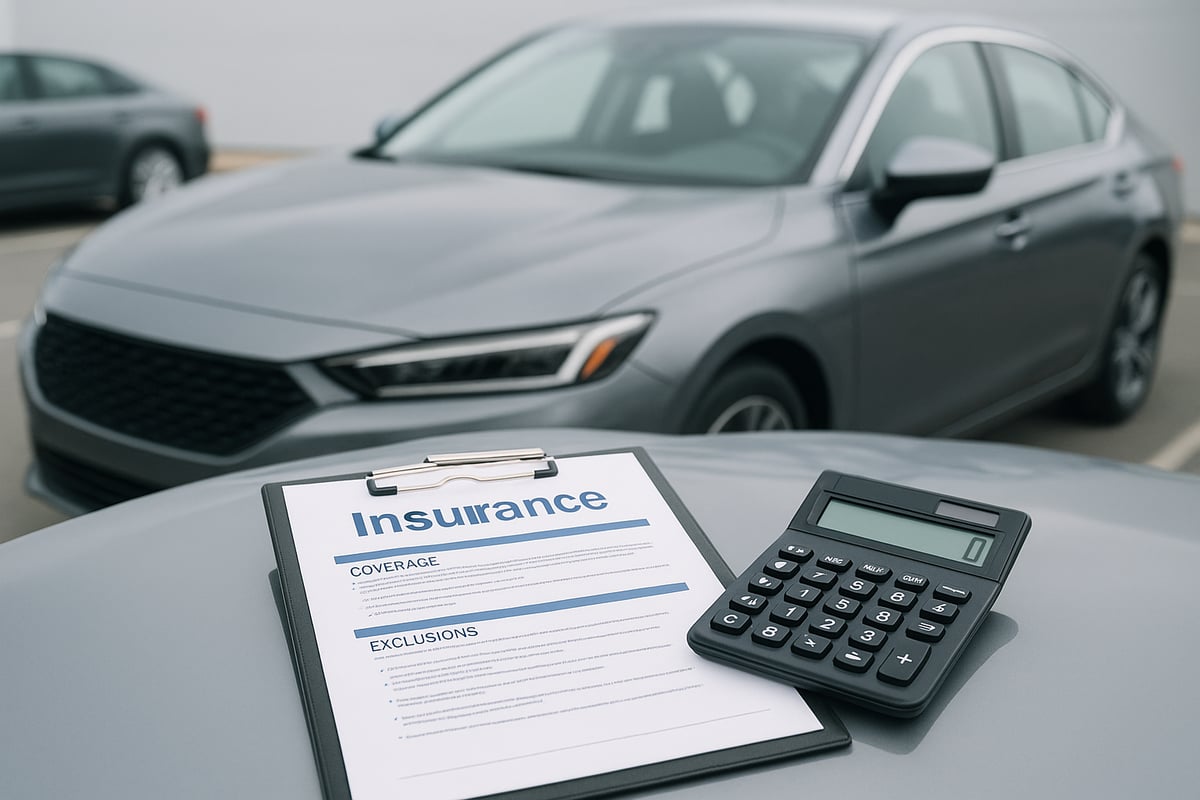
Gap protection is designed to bridge the difference between your car's depreciated value and the amount you still owe on your loan or lease if your vehicle is declared a total loss. If your car is stolen or totaled in an accident, your standard insurer pays the actual cash value, while your gap policy pays the remaining balance owed to your lender.
In most cases, gap policies cover the shortfall between your auto payout and your outstanding loan or lease, total loss situations including theft and major accidents, and in some policies, the deductible on your standard coverage up to a certain limit.
A key requirement is that your vehicle must have both comprehensive and collision coverage for gap protection to be valid. Policies are typically available only for new or nearly new cars, and often just for the first few years of ownership.
| Coverage Area | Included by Gap Protection? |
|---|---|
| Loan/lease shortfall | Yes |
| Theft or total loss | Yes |
| Deductible (some policies) | Sometimes |
| Repairs/maintenance | No |
| Personal injuries | No |
What This Coverage Does NOT Cover
While gap protection provides important benefits, it's equally critical to know what falls outside its scope. This prevents false expectations and financial surprises.
Gap policies do NOT cover repairs for your vehicle after an accident, routine maintenance or mechanical breakdowns, rental car costs while your claim is processed, personal injuries to you or others, damage to other property, negative equity rolled over from a previous car loan, or late fees, missed payments, and add-ons such as extended warranties.
For example, if your current loan includes a balance from an older car, gap protection generally won't pay off that portion. It also won't reimburse you for aftermarket upgrades or non-factory accessories.
Insights and Examples
Consider a real-world scenario: A driver's car is totaled in a collision. The insurance company values the car at $18,000, but the driver still owes $23,000 on the loan. Gap protection steps in to pay the $5,000 difference, preventing the driver from facing a significant out-of-pocket debt.
According to major insurers, the most common exclusions in gap claims are unpaid loan fees and negative equity from prior vehicles. Reading your policy's fine print is essential, as each insurer may define exclusions differently.
Understanding what's included and excluded is part of a broader financial strategy. As the PwC report on global protection gaps highlights, the need for specialized coverage is growing as consumers face larger protection gaps worldwide.
Who Needs Gap Cover Insurance?
Imagine buying a new car, driving it off the lot, and suddenly facing an accident or theft in the first year. Would you be prepared to pay thousands out of pocket if your payout falls short of your remaining loan? Knowing who needs this coverage can help you avoid stressful scenarios and protect your finances.

Situations Where Gap Protection is Essential
Gap coverage is crucial in several common situations:
- New car buyers with little or no down payment
- Lease agreements (often mandatory)
- Rapidly depreciating vehicles
- Long-term loans (over 60 months)
- High-mileage usage in early ownership
Having this protection in these situations can prevent a significant financial setback.
When Gap Protection May Not Be Necessary
This coverage isn't right for everyone. If you own your car outright, you have no loan balance to worry about. A large down payment or short loan term means your loan will likely be paid down faster than your car depreciates, reducing the risk of a gap.
Older vehicles or those that hold value well, such as some trucks and SUVs, often don't need this protection. Evaluate your financial situation before purchasing coverage.
Assessing Your Risk and Needs
How do you know if you're "upside down" on your loan? Start by comparing your current loan or lease balance to your car's actual cash value using depreciation calculators and loan amortization tools. If your loan balance is higher than your car's value, gap protection is a smart choice.
Industry data shows that 1 in 3 new car owners owe more than their car is worth in the first two years. For example, Buyer A puts 5% down on a new car and takes a 72-month loan, while Buyer B puts 25% down and chooses a 36-month loan. Buyer A is far more likely to benefit from gap protection.
For comprehensive financial protection, consider including this coverage as part of your broader plan. You can learn more about integrating various protections into your strategy in this article on holistic financial planning insights.
Alternatives and Additional Protection Options
There are alternatives to traditional gap policies. Some auto insurers offer loan or lease payoff coverage, which functions similarly but may have different terms or limits. You can purchase gap protection through your dealer or directly from your insurer. Dealer-offered policies are convenient but often cost more, while insurer-offered options may provide better value and flexibility.
How to Get Gap Cover Insurance in 2026
Finding the right gap protection in 2026 is easier than ever, yet it requires careful consideration to ensure maximum protection. Whether you're financing or leasing a new vehicle, knowing your options will help you make an informed decision and secure your financial future.
Where to Buy Gap Protection
You can purchase this coverage from several sources, each offering different advantages:
- Auto insurance companies: Adding gap protection to your existing policy is convenient and often cost-effective. Many major insurers now offer this option.
- Car dealerships: Dealers may offer gap protection when you finance or lease a vehicle. While convenient, dealership prices are typically higher.
- Banks or credit unions: If you finance through a lender, they might provide gap coverage as part of your loan agreement.
- Online marketplaces: Digital platforms allow you to compare multiple policies and rates quickly.
Costs and Pricing Factors
The cost varies based on several factors. On average, adding gap protection to your auto policy costs between $20 and $40 per year. In contrast, dealerships may charge a one-time premium ranging from $500 to $700.
Key pricing factors include vehicle value and loan amount, loan or lease duration, your location, and policy limits and exclusions.
Industry trends show that as car prices and loan terms rise, this coverage becomes even more relevant. For a deeper look at market shifts that may impact your costs, see McKinsey's Global Insurance Report 2025.
Steps to Purchase Gap Protection
Securing gap coverage is a straightforward process:
- Review your loan or lease agreement for any requirements.
- Request quotes from auto insurers, dealerships, and online marketplaces.
- Compare coverage details, exclusions, and policy limits to find the best fit.
- Complete your application by providing vehicle details, loan or lease information, and personal data.
- Confirm your coverage is active and understand the claim process in case of a total loss.
Tips for Saving Money
There are several strategies to maximize value when buying gap protection:
- Bundle policies: Adding gap coverage to your auto policy may qualify you for a discount.
- Cancel when no longer needed: Once your loan balance drops below your car's value, consider dropping this coverage.
- Avoid dealer markups: Purchasing directly from an insurer or online marketplace often costs less than buying at a dealership.
Integrating gap protection into your broader financial plan can help protect your family's assets and reduce stress after a loss. For more on building a resilient financial strategy, explore financial planning for families.
Gap Cover Insurance Trends, Tips, and FAQs for 2026
Staying informed about gap protection is essential as the auto finance landscape continues to evolve. In 2026, consumers face new trends, regulatory changes, and digital tools that affect their coverage choices and claims experience. The following guide highlights the most important updates, practical tips, frequently asked questions, and real-world scenarios to help you make informed decisions.
Industry Trends and Regulatory Updates
The gap coverage market is experiencing significant change in 2026. As auto loan terms extend and vehicle prices rise, more drivers are at risk of owing more than their car is worth. This makes gap protection increasingly relevant, especially for new car buyers and lessees.
Digital innovation has transformed how consumers purchase and manage policies. Online platforms now allow for instant quotes, streamlined claims, and easier comparison shopping. Regulatory bodies are responding to these changes by tightening oversight and enhancing consumer protection standards.
Electric and hybrid vehicles present unique challenges, with depreciation rates fluctuating due to rapid technological advances. According to McKinsey's Global Insurance Report 2025, insurers are adapting products to address these trends, emphasizing flexibility and transparency in gap coverage offerings.
Expert Tips for Maximizing Value
Maximizing the benefits of your gap protection requires careful planning and awareness. Start by reviewing your loan or lease agreement to identify any hidden risks or requirements. If your outstanding balance drops below your car's value, consider cancelling your policy to avoid unnecessary costs.
Document your vehicle's value and loan status regularly. Keep receipts for upgrades and maintain records of all payments. This documentation is crucial if you ever need to file a claim.
Just as you'd store your auto loan documents, insurance policies, and vehicle titles in a secure digital vault, keeping these financial records organized ensures you can quickly access everything you need during a stressful claims process.
Before purchasing, ask your insurer or dealer specific questions about coverage duration, payout limits, and possible exclusions. Comparing quotes from multiple providers can help you secure the best rate and terms.
Frequently Asked Questions
Is gap coverage required by law?
No, it's not legally required, but lenders or lessors may mandate it for financed or leased vehicles.
Can you buy gap protection after buying a car?
Yes, many insurers allow you to purchase coverage within a certain time frame after acquiring your vehicle.
Does gap protection cover theft?
Yes, most policies cover total loss due to theft as well as accidents.
How long does gap protection last?
Coverage typically lasts until your loan balance is less than your car's value, or for a set number of years.
What happens if you refinance your car loan?
You may need a new policy since refinancing can affect your eligibility and coverage terms.
Real-Life Scenarios and Case Studies
Consider a driver who financed a new car for $35,000 with a small down payment. Two years later, the car is totaled in an accident. Standard insurance pays $27,000, but the loan balance is still $32,000. Without gap protection, the driver would have to pay $5,000 out of pocket.
In another case, a policyholder was denied a gap claim because their loan included negative equity from a previous vehicle, which the policy excluded. These examples highlight the importance of reading your policy carefully and ensuring your loan terms align with coverage requirements.
Data and Statistics
Understanding the numbers behind gap protection can help you make informed choices:
| Statistic | Value |
|---|---|
| First-year new car depreciation | Up to 20% |
| Average gap claim payout | $3,000 - $5,000 |
| % of new car owners benefiting from gap coverage | 25% |
| Claims within first 2-3 years of ownership | Majority |
Industry data shows that 1 in 4 new car owners may benefit from gap protection, particularly those with long-term loans or minimal down payments.
Resources for Further Learning
If you want to explore gap protection further, several reputable resources are available. Review the latest regulatory updates and industry priorities in the IAIS Global Insurance Market Report 2025, which provides context for evolving insurance standards.
Many major insurers offer online glossaries and calculators to help you assess your risk. Additionally, state insurance departments publish consumer guides detailing local requirements and protections.
Be Prepared: Protecting What Matters Most
As you've seen, protecting yourself from unexpected financial gaps after a total loss is more important than ever—especially with vehicles depreciating faster and loans lasting longer.
But true preparedness goes beyond just having the right insurance. It's about knowing where all your important documents are, having quick access to policy information when you need it, and ensuring your family isn't scrambling during a crisis.
Think about it: If your car were totaled tomorrow, could you quickly locate your auto loan agreement, your insurance policy details, your gap coverage documentation, and your vehicle title? Would your family know where to find these documents if something happened to you?
Staying organized and prepared isn't just about choosing the right coverage—it's also about ensuring your critical documents and emergency plans are secure and accessible when you or your loved ones need them most.
A secure digital vault keeps all your financial records, insurance policies, legal documents, and emergency contacts in one protected place—accessible anytime, from anywhere, by the people who need them.
Ready to take your family's protection to the next level?
Start Your 14-Day Free Trial →
