


Estate planning is more critical than ever in 2026, as shifting laws and evolving family structures create new challenges for protecting your legacy. Navigating these complexities requires expert guidance, which is why partnering with a financial advisor for estate planning can make all the difference.
This guide will walk you through every step needed to secure your family’s future. You will learn how to understand estate planning essentials, select the right advisor, design a tailored plan, leverage digital tools, and stay ahead of changing legal and financial trends. Take control and follow these steps to achieve estate planning success.
Understanding Estate Planning in 2026
Estate planning is evolving rapidly in 2026, shaped by new laws, family structures, and technology. For anyone looking to secure their legacy, the guidance of a financial advisor for estate planning is more vital than ever. Let us explore how recent changes impact your estate and why expert support matters.

The Evolving Landscape of Estate Planning
Estate planning is more than just writing a will. It involves a coordinated set of tools, such as wills, trusts, powers of attorney, and beneficiary designations, to ensure your wishes are honored and your loved ones are protected. In 2026, new legislative changes and tax updates have introduced complexities that require careful consideration.
For example, federal and state tax thresholds have shifted, influencing how estates are taxed and transferred. Digital assets, such as cryptocurrencies and online accounts, now play a significant role in many estates. As a result, a financial advisor for estate planning must address both traditional and modern forms of wealth.
A common misconception is that estate planning is only necessary for the wealthy or only involves drafting a will. In reality, anyone with assets or family responsibilities should have a comprehensive plan. The rise of blended families and digital assets has made the process even more intricate.
According to the 2023 Wills & Estate Planning Study, over 60% of Americans do not have an up-to-date estate plan. This lack of preparation often leads to unintended consequences. For instance, one real-world example involves a family whose outdated plan caused lengthy probate delays and disputes, resulting in unnecessary financial loss.
Planning early with a financial advisor for estate planning helps avoid these pitfalls. It ensures your assets are distributed according to your wishes, reduces the risk of family conflict, and can minimize estate taxes. Early action also helps prevent probate delays, which can tie up your estate for months or even years.
The Role of Financial Advisors in Estate Planning
A financial advisor for estate planning provides expertise that complements the work of attorneys and accountants. While legal professionals focus on document drafting, financial advisors offer guidance on asset allocation, tax minimization, and long-term financial strategies.
Their role is to ensure your estate plan aligns with your broader financial goals. For example, they help coordinate beneficiary designations, ensure trusts are properly funded, and review insurance policies. This holistic approach is crucial for adapting to the dynamic legal and financial environment of 2026.
Financial advisors bring specialized knowledge to the table. They understand the nuances of tax law changes and how these affect your estate. For families with business interests, a financial advisor for estate planning can help structure succession plans and protect business assets.
A real-world case illustrates the value of advisor involvement. One client nearly made a costly mistake by failing to fund a newly created trust. The advisor identified the oversight, coordinated with the attorney, and ensured the trust received the intended assets, preventing potential legal and tax complications.
Ultimately, a financial advisor for estate planning acts as a strategic partner. They help you navigate complex decisions, collaborate with other professionals, and adapt your plan as life circumstances change. Their support is a key ingredient for long-term estate planning success in 2026.
Steps to Choosing the Right Financial Advisor for Estate Planning
Selecting the right financial advisor for estate planning is one of the most critical decisions you will make for your family's future. With new complexities in 2026, including digital assets and shifting family dynamics, having a trusted partner ensures your plan is both current and comprehensive.

Identifying Your Estate Planning Goals and Needs
Before engaging a financial advisor for estate planning, start by clarifying your unique circumstances. Every family structure is different, so consider your dependents, any special needs, and whether you own a business. This self-assessment will shape your priorities and guide your advisor's recommendations.
Next, make a detailed inventory of your assets. This should include real estate, investment accounts, personal property, and increasingly, digital assets like online accounts and cryptocurrencies. Listing these items helps your financial advisor for estate planning identify potential gaps and opportunities in your plan.
Think about your legacy goals. Do you wish to support specific charities, designate guardians for minor children, or ensure a smooth transfer to multiple heirs? For example, a young family will focus on guardianship and education trusts, while retirees may prioritize charitable giving and minimizing estate taxes.
By outlining your intentions and assets, you enable your financial advisor for estate planning to create a tailored roadmap that reflects your family's values and needs.
Evaluating Advisor Credentials and Experience
Once you understand your needs, focus on finding a qualified financial advisor for estate planning who can deliver expert guidance. Credentials matter—look for professionals certified as CFP®, ChFC®, or those with a dedicated estate planning specialization. These designations reflect advanced training and adherence to ethical standards.
Verify that your advisor acts as a fiduciary, meaning they are legally obligated to put your interests first. Review their track record by checking client testimonials, case studies, and any disciplinary history. Transparency is key; a reputable financial advisor for estate planning will openly share their qualifications and approach.
According to the Capgemini Wealth Report 2023, over 70% of high-net-worth individuals seek advisors with estate planning expertise. This trend highlights the importance of specialized knowledge in navigating complex tax laws and asset structures. For more tips on choosing the right financial advisor, consider resources that help you compare qualifications and services.
Interviewing and Selecting the Best Fit
The final step is to interview potential candidates to determine the best financial advisor for estate planning for your situation. Prepare a checklist of questions covering their experience with estates like yours, fee structures, and communication style. Ask how they approach unique scenarios, such as blended families or digital asset management.
Consider whether you prefer an independent advisor or one affiliated with a larger firm. Each has advantages; independents may offer more personalized service, while firm-based professionals provide access to broader resources. Watch for red flags, including lack of transparency, pressure tactics, or limited estate planning knowledge.
A sample interview checklist might include:
- How do you stay updated on estate laws?
- What is your process for reviewing and updating plans?
- Can you provide references from clients with similar needs?
Selecting a financial advisor for estate planning is not just about credentials but also about trust and communication. Take your time to ensure a strong, long-term partnership that will protect your family's legacy.
The Estate Planning Process with Your Financial Advisor: Step-by-Step
Navigating the estate planning process with a financial advisor for estate planning ensures a thorough, organized approach to safeguarding your family’s legacy. Whether you’re starting from scratch or updating an old plan, working closely with a trusted professional can streamline the journey and help avoid costly mistakes. Here’s a detailed step-by-step guide to what you can expect.

Step 1: Initial Consultation and Fact-Finding
The estate planning process begins with an in-depth consultation between you and your financial advisor for estate planning. During this critical first step, the advisor gathers comprehensive information about your finances, family situation, and long-term goals.
Expect to discuss topics such as your assets, liabilities, family members, and any unique circumstances like business ownership or special needs dependents. Confidentiality is paramount, and your advisor will ensure your sensitive information is protected and handled with care.
This is also the time to voice your concerns, priorities, and wishes for your legacy. By building a clear picture of your objectives, your financial advisor for estate planning can tailor recommendations to your needs and set the stage for a customized plan.
Step 2: Strategy Development and Plan Design
After fact-finding, your financial advisor for estate planning analyzes your information to design a comprehensive strategy. This includes drafting a plan that addresses wills, trusts, powers of attorney, and healthcare directives.
During this stage, the advisor will recommend tax-efficient strategies to minimize estate and inheritance taxes. They may also address specific needs, such as business succession planning or provisions for family members with disabilities.
You’ll review various options, and your financial advisor for estate planning will explain the advantages and potential drawbacks of each. An example might include using a revocable living trust to simplify the transfer of assets and keep your estate out of probate.
Step 3: Legal Coordination and Document Preparation
Your financial advisor for estate planning collaborates with estate attorneys to ensure all legal documents are prepared correctly. This step includes drafting wills, setting up trusts, and updating beneficiary designations on your accounts.
Proper legal coordination is essential to avoid errors that could lead to probate delays or disputes. For a deeper understanding of probate and its impact on estate planning, see What is a probate sale and estate planning.
The advisor also ensures that your asset titles are consistent with your estate plan. Regular legal reviews are recommended to keep your plan current and compliant with evolving laws.
Step 4: Implementation and Asset Alignment
Once legal documents are in place, your financial advisor for estate planning oversees the implementation phase. This involves funding trusts, retitling accounts, and updating insurance policies to match the plan’s design.
The advisor coordinates with banks, custodians, and insurance providers to ensure all assets are correctly aligned. Failure to properly fund a trust or update beneficiaries can undermine even the best-designed plan.
Common errors at this stage include leaving accounts outside of trusts or neglecting to update titles. Your financial advisor for estate planning will help you avoid these pitfalls and ensure every detail is addressed.
Step 5: Ongoing Review and Plan Updates
Estate planning is not a one-time event. Your financial advisor for estate planning schedules regular reviews—ideally annually or after major life events like marriage, divorce, or inheritance.
These reviews are critical for adapting your plan to changes in tax laws, family dynamics, or financial circumstances. For instance, a new child or a shift in estate tax exemptions may prompt significant updates.
Data shows that 45 percent of estate plans become outdated within five years due to life changes. With a proactive financial advisor for estate planning, you can keep your plan current, compliant, and aligned with your evolving goals.
Step 6: Family Communication and Education
The final step is facilitating open communication with your family. Your financial advisor for estate planning can organize meetings to explain the plan, clarify roles, and answer questions.
Educating your heirs about their responsibilities and the reasoning behind your decisions can reduce misunderstandings and conflict. Providing clear instructions and access to essential documents is essential for a smooth transition.
By keeping the lines of communication open, your financial advisor for estate planning helps ensure your legacy is honored and your family is prepared to carry out your wishes.
Integrating Digital Tools and Secure Document Management
The digital era has transformed how families approach estate planning. With the growing presence of online accounts, cryptocurrencies, and intellectual property, the need for a financial advisor for estate planning has never been greater. Digital assets are now a crucial part of your legacy, and managing them securely is essential for protecting your wealth and your family's future.
The Rise of Digital Estate Planning Solutions
Digital assets are expanding rapidly, from social media accounts and cloud storage to cryptocurrencies and domain names. Many families underestimate their value or overlook them entirely when working with a financial advisor for estate planning. Without a clear plan, these assets can be lost, locked, or inaccessible to heirs.
A growing number of estate plans now include instructions for digital assets. Yet, the risks remain significant. Lost passwords, outdated access instructions, or platforms' strict privacy policies can leave families unable to retrieve important information. This is where a financial advisor for estate planning steps in, guiding clients to identify, value, and securely catalog all digital holdings.
Consider this table summarizing key digital asset types and their associated risks:
|
Digital Asset Type |
Potential Risks |
|---|---|
|
Cryptocurrencies |
Lost keys, inaccessible funds |
|
Online Accounts |
Data loss, privacy breaches |
|
Intellectual Property |
Ownership disputes |
|
Cloud Storage |
Deleted files, lost access |
A comprehensive approach ensures your digital legacy is preserved and accessible. As digital footprints grow, the financial advisor for estate planning must adapt, ensuring clients' wishes are honored in both the physical and digital realms.
IronClad Family: Secure Digital Vaults for Estate Planning
Modern estate planning demands robust, secure solutions for storing sensitive documents and digital asset information. IronClad Family offers encrypted digital vaults designed to keep your estate plan, wills, healthcare directives, and access credentials safe yet readily available to authorized individuals. When a financial advisor for estate planning incorporates such tools, clients benefit from peace of mind and streamlined emergency planning.
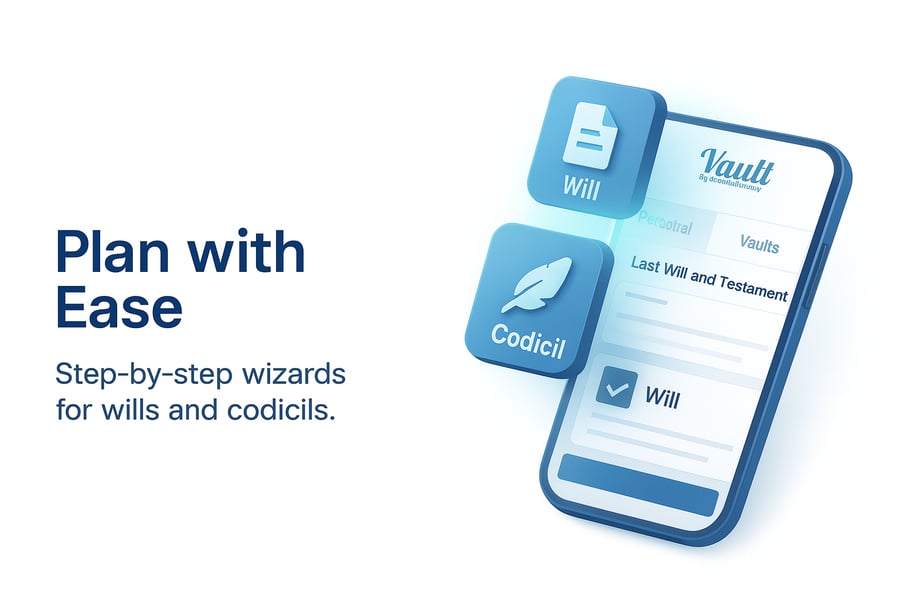
IronClad Family’s vaults allow families to automate document delivery based on specific conditions, like a medical emergency or the passing of a loved one. This feature ensures that critical documents reach the right people at exactly the right time. Privacy is paramount, with zero-knowledge encryption and user-controlled permissions safeguarding your legacy.
Digital vaults also simplify collaboration between your financial advisor for estate planning, attorneys, and heirs. Documents can be updated and shared seamlessly, reducing paperwork and the risk of lost or outdated information. For more insights on why secure digital storage is essential for every family, see Why every family needs a digital vault.
Best Practices for Digital Estate Organization
To maximize the benefits of digital tools, families and advisors should take these steps:
- Create a comprehensive digital asset inventory with usernames, passwords, and access instructions.
- Store estate planning documents, digital asset lists, and emergency contacts in a secure vault.
- Regularly update stored information and access permissions as circumstances change.
- Share vault access protocols with trusted family members and your financial advisor for estate planning.
- Schedule periodic reviews to ensure no assets or documents are overlooked.
A disciplined approach to digital estate organization reduces the risk of lost assets and confusion. By working closely with a financial advisor for estate planning, you can ensure your digital legacy is as secure as your physical one. As technology evolves, staying proactive and organized will keep your family prepared for any eventuality.
Navigating Legal, Tax, and Regulatory Changes in 2026
Estate planning in 2026 is shaped by significant legal and tax changes. For individuals and families, understanding these updates is critical for protecting assets and ensuring wishes are honored. A financial advisor for estate planning helps you navigate these shifts, keeping your plan compliant and effective.
Key Legislative and Tax Updates Affecting Estates
The landscape for estate planning is evolving quickly. In 2026, the federal estate tax exemption rises to $15 million, a notable increase from previous years. This change, explained in detail in Estate Tax Exemption Changes 2026, allows more families to transfer wealth without incurring federal estate taxes. However, state-level exemptions and inheritance taxes still vary widely.
The One Big Beautiful Bill Act Overview sheds light on new federal rules, including updated reporting requirements for digital assets and stricter compliance on cross-border inheritances. These changes mean a financial advisor for estate planning must stay informed about both federal and state regulations.
|
Year |
Federal Estate Tax Exemption |
Key Change |
|---|---|---|
|
2025 |
$13.61 million |
Prior threshold |
|
2026 |
$15 million |
New exemption under 2026 law |
Families with international ties or significant digital assets face added complexity. Planning with up-to-date information helps avoid costly surprises.
Proactive Strategies to Stay Compliant
Staying ahead of legal and tax changes is essential. A financial advisor for estate planning reviews your strategy regularly, ensuring you adapt to new laws and maximize available exemptions. Collaboration with legal professionals keeps documents aligned to current statutes.
Consider these proactive steps:
- Schedule annual estate plan reviews with your advisor.
- Utilize trusts, such as irrevocable or charitable remainder trusts, to optimize tax outcomes.
- Explore lifetime gifting strategies to reduce taxable estate size.
- Update digital asset inventories and ensure legal access instructions are current.
A financial advisor for estate planning also tracks state-level inheritance rules, which may differ from federal standards. This comprehensive oversight helps you keep your plan compliant and effective, even as laws shift.
Common Pitfalls and How to Avoid Them
Many estate plans become outdated after legal changes or major life events. One common mistake is failing to update beneficiary designations, which can override will provisions and cause unintended outcomes. Another pitfall is overlooking new regulations for digital assets, leading to inaccessible or lost accounts.
To avoid these issues:
- Review your estate plan after any law changes or family milestones.
- Coordinate with your financial advisor for estate planning to ensure asset titles, beneficiaries, and legal documents are always current.
- Monitor state and federal updates, especially if you have property in multiple states or overseas.
A recent example involved a family who did not update their estate plan after a state exemption change, resulting in a significant unexpected tax bill. Regular reviews and professional guidance can help prevent similar losses.
Maximizing Your Estate Planning Outcomes: Tips and Best Practices
Preparing for the future requires more than just documents. To make your estate plan truly effective, you need a thoughtful approach that brings together expertise, communication, and technology. The following best practices will help you work with your financial advisor for estate planning to protect your legacy and empower your family.
Building a Collaborative Professional Team
A successful estate plan relies on collaboration. Assemble a team that includes your financial advisor for estate planning, an estate attorney, an accountant, and an insurance specialist. Each brings unique expertise to ensure your plan is thorough and legally sound.
- Schedule joint meetings to align strategies.
- Share information securely among team members.
- Assign clear roles to avoid confusion and gaps.
Data shows that even some advisors lack personal estate plans, highlighting the importance of professional guidance (Financial Advisors and Estate Planning Survey). Your team’s coordination is key to a seamless legacy transfer.
Educating and Empowering Your Heirs
Your estate plan’s success depends on your heirs’ readiness. A financial advisor for estate planning can help educate beneficiaries about their roles and responsibilities. Clear communication reduces the risk of misunderstandings and conflict.
- Teach basic financial literacy and estate concepts.
- Provide easy access to essential documents.
- Hold family meetings to discuss intentions and expectations.
Families who invest in heir education see much higher wealth transfer success. Empowering your heirs now means fewer surprises and a smoother transition later.
Leveraging Technology for Peace of Mind
Modern estate planning goes beyond paper. Work with your financial advisor for estate planning to use secure digital tools, such as encrypted document vaults and planning apps. This ensures that vital information is easily accessible, organized, and protected.
- Store wills, trusts, and healthcare directives digitally.
- Set up alerts for plan reviews and updates.
- Use secure sharing protocols with trusted contacts.
For more on safeguarding online accounts and digital assets, see Protecting your digital assets. Embracing technology adds a new layer of security and convenience to your estate plan.
Regular Review and Adaptation
Life changes quickly. To keep your plan effective, review it annually and after major events like marriage, divorce, or new family members. Your financial advisor for estate planning should lead these reviews and help you adapt to new laws or family needs.
- Schedule recurring check-ins.
- Update documents and beneficiary designations as needed.
- Use a checklist to track important questions during reviews.
Regular adaptation ensures your estate plan continues to meet your goals, no matter what the future brings.
As you think about the steps we’ve covered—from understanding estate planning essentials to integrating digital solutions like secure document storage—remember that protecting your family’s future starts with action. IronClad Family gives you the tools and confidence to organize your critical documents, keep them accessible, and ensure your wishes are honored no matter what 2026 brings. If you’re ready to experience the peace of mind that comes with a secure digital vault, you can easily Start 14 Day Free Trial today and take the next step in your estate planning journey.

